
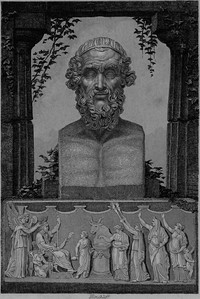
The Iliad by Homer
So, what's this ancient book actually about? Let's set the scene: The Greeks have been camped outside Troy for nine long years, fighting to get Helen back. The story kicks off not with a battle, but with a massive feud. The Greek king Agamemnon takes a war prize from his star fighter, Achilles. Enraged, Achilles refuses to fight. He asks the gods to make the Greeks lose so Agamemnon will regret insulting him.
The Story
With their best warrior sulking in his tent, the Greeks start getting pummeled. The Trojans, led by the noble Prince Hector, push them back to their ships. We see the war through brutal, intimate duels and the desperate pleas of fathers and wives. The gods are like a dysfunctional family, picking sides and meddling constantly. Things get so bad for the Greeks that Achilles' closest friend, Patroclus, borrows his armor to rally the troops. Hector kills him, thinking it's Achilles. This shatters Achilles' rage into pure, devastating grief. He returns to the battlefield with one goal: kill Hector. What follows is a chilling chase around the walls of Troy and a final confrontation that changes everyone.
Why You Should Read It
Here's the thing: I was braced for a boring list of battles. I was wrong. The Iliad grabbed me because it's not really about who wins the war. It's about people. Achilles' world-ending anger feels frighteningly real. Hector's love for his wife and baby son is a quiet, heartbreaking counterpoint to all the violence. The poem forces you to see the human cost on both sides. One minute you're in the adrenaline of combat, the next you're hearing a father beg for his son's dead body back. It shows the emptiness of 'eternal glory' and the real, lasting weight of loss. It made me think about our own culture's obsession with winning and reputation.
Final Verdict
This isn't just for classics nerds or history buffs. If you like stories with complex, flawed characters—think Game of Thrones levels of pride and tragedy—you'll find a lot here. It's perfect for anyone who enjoys action that has emotional depth, or for readers curious about where so many of our modern story ideas about heroes, fate, and war actually began. Pick a modern translation (I recommend Robert Fagles or Emily Wilson) and prepare to be surprised by how a story from the dawn of literature can feel so immediate.




Lucas Wilson
1 month agoGood quality content.