
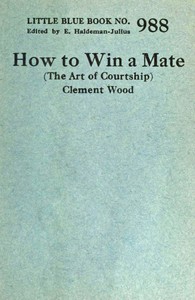
The art of courtship by Clement Wood
Published in 1929, Clement Wood's The Art of Courtship is less a straightforward story and more a guided tour through the romantic anxieties of its time. The book is structured as a series of essays and advice columns, tackling everything from first meetings and conversation starters to the perils of jealousy and the 'right' way to propose.
The Story
There isn't a single plot with characters. Instead, Wood acts as your sometimes-wise, sometimes-frustrating narrator. He lays out his vision of courtship as a beautiful, almost artistic pursuit that's under threat from the fast-paced, casual modern world. He walks you through the 'stages' of love, from initial attraction to deep commitment, offering rules and warnings. He paints vivid pictures of social scenes—dance halls, college campuses, park benches—where this drama plays out. The real tension in the book comes from this clash: Wood's romantic, sometimes flowery ideals bumping against his blunt observations about how men and women actually behave in the Roaring Twenties.
Why You Should Read It
I picked this up expecting a laugh at outdated advice, and I got that—some passages are wonderfully absurd. But I also found myself unexpectedly hooked by its historical insight. This book captures a moment of massive social change. You feel the confusion and excitement of a generation rewriting the rules. Wood's biases are glaring (fair warning, his views on gender roles are very much of his era), but that makes it a more honest document. It's not a dry history lesson; it's a passionate, flawed, personal argument about love. Reading his earnest pleas for chivalry alongside his acknowledgment of 'necking' parties creates a fascinating cognitive dissonance.
Final Verdict
This book is a gem for anyone who loves social history, vintage pop culture, or just a unique read. It's perfect for fans of The Great Gatsby who want to understand the social fabric of the era, or for anyone who enjoys seeing how much (and how little) dating has really changed. Don't read it for actionable advice—read it as a conversation with the past. You'll come away entertained, occasionally exasperated, and with a whole new perspective on the 'good old days' of romance.





Ava Jackson
1 year agoThis book was worth my time since the emotional weight of the story is balanced perfectly. Worth every second.