
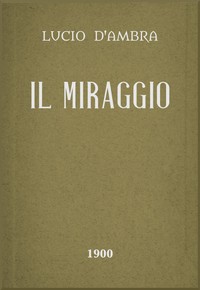
Il Miraggio: Romanzo by Lucio D'Ambra
Lucio D'Ambra's Il Miraggio (The Mirage) is a quiet storm of a novel. Published in 1921, it feels both of its time and strikingly modern in its focus on perception and deception.
The Story
The plot revolves around a man, often an artist or dreamer, who becomes enchanted by a captivating woman. She represents a world of beauty, luxury, and escape from his ordinary life. This 'mirage' is so alluring that he begins to reshape his reality around her, ignoring inconsistencies and the warnings of a second, more grounded woman who cares for him. The story is the slow, painful process of the mirage dissolving. Is the enchanting woman who she seems? Is the life she promises even possible? The conflict isn't fought with words or fists, but with growing realizations and the shattering of illusions.
Why You Should Read It
What grabbed me wasn't a twisty plot, but the book's mood. D'Ambra is a master of atmosphere. He builds a feeling of elegant unease where you can't trust the scenery. The characters aren't heroes or villains; they're people trapped by their own needs—for love, for status, for a more beautiful story. Reading it feels like watching someone walk toward a shimmering pool of water in a desert, knowing it will vanish as they get close. You feel that ache. It's a surprisingly intimate look at how vulnerable we are to the fictions we find attractive.
Final Verdict
This book is perfect for readers who enjoy classic European literature with a psychological edge, like the works of Italo Svevo or certain Henry James novels. It's for anyone who's ever wondered if the life they're chasing is real or just a reflection of their wants. Don't pick it up for a fast-paced adventure. Pick it up for a thoughtful, slightly haunting walk through the landscape of human self-deception. It's a slim, forgotten gem that deserves a fresh audience.





Lucas Taylor
2 months agoGreat reference material for my coursework.